
This psychologist says “we must start seeing success as a lifestyle, not a destination.”
By Michelle Darrisaw
Ask yourself when was the last time you uttered the phrase: “I’ll be happy when I…”
Probably recently, right?
Whether the end of that statement includes getting “a better car,” or “a bigger house,” or finding “true love” or “the dream job,” we’re all guilty of delaying our joy and gratification based on a future outcome. Many of us believe a certain relationship status or a higher salary is the singular key to being fulfilled.
Turns out, this way of thinking has a name: It’s called the “I’ll be happy when” syndrome, a condition that’s prevalent today in our working society. The principle behind “I’ll be happy when” syndrome is the belief that you only attain happiness and joy “when” you do something specific, obtain something of value, or experience a particular life event, like getting married or giving birth to a child.
Despite the “I’ll be happy when” thought pattern being a universally shared behavior, clinical psychologist and business consultant Dr. Natalia Peart argues that the way we feel right now shouldn’t be a result of what we believe is coming down the pipeline. In fact, Dr. Peart, who graduated from Georgetown University, Harvard Medical School, and Brown University, suggests that happiness isn’t the direct effect—it’s actually the cause.
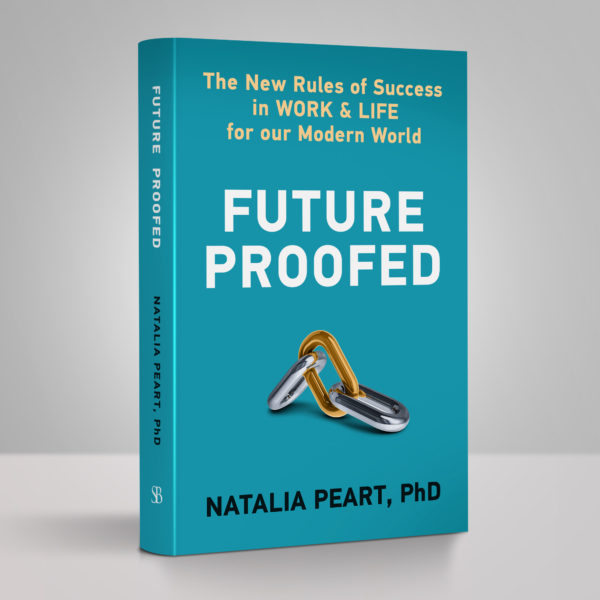
Fortunately, even if you do suffer from “I’ll be happy when” syndrome (read: many of us), Dr. Peart asserts in her new book, Future Proofed: The New Rules of Success in Work & Life For our Modern World that there are plenty of ways to treat it.
“To cure ‘I’ll be happy when’ syndrome, we must start seeing success as a lifestyle, not a destination, so that you can finally be happy now—wherever you are in life,” she explains in the book.
In an interview with OprahMag.com, Dr. Peart discusses the most common symptoms to look out for, why you should rip up your to-do list, and how best to maneuver through change and disruption in the dizzying world of technology and social media. She also shares expert advice on finding happiness right where you are.
Now that we finally know this condition has a name, can you explain what, exactly, “I’ll be happy when” syndrome is?
“For decades, we’ve always thought that once we achieve success in our careers, then we’re supposed to get happy. And that once we get happy, we’re going be fulfilled. That was the old path. So we’d ignore signs of burnout or the fact that our lives were so narrow, because the assumption was that there would still be a reward of happiness. But that reward was always in the future. Happiness is now and being able to live in this moment, even in the harried, busy life that we live. You want to get up everyday and know that there’s some level of meaning in the now—not two months or two years from now.”
What are the symptoms people should look out for?
“Well, the first sign is determining whether you’re living a checklist-based life. If you think back to when you were a teenager, yes, you went to school. But you also did other activities and had fun. It seems the older we get, the more we seem to push the fun things out to crowd our lives with what’s on our to-do lists.”
But what happens if the “when” never comes? How does one manage their expectations for failure or letdowns?
“The first thing to know is that this disappointment of never getting to happy, even when you’re checking things off the list, is very common. One big reason this happens is that we base our life goals and the expectation for happiness on the decisions we made when we were teenagers, like our college major and our first job. If you’re in this situation, step back and ask yourself bigger questions. For example: What do you care about, or what inspires you? This way, you can better orient yourself toward what is meaningful to you, and not just toward the “when” you’ve built up over the years. Lastly, you should build daily habits that reflect the things that are a priority for you right now.”
Why the title, Future Proofed, for your book?
“We are living in times of constant and rapid change. It’s about understanding what to do today, with an eye towards anticipating tomorrow. The concept of future proofing your life is about having a peace of mind and sense of control, so that no matter what’s coming around the corner you understand how to maintain a sense of calm.”
To find out more information about Future Proofed, the book that shows you how to take control of your destiny by giving you the new rules and tools you need for succeeding on your terms, click here.
*This blog is an excerpt from an article that appeared in Oprah Magazine
